A Solo Exhibition by Osaji Chinedu George
Exhibition Info
Co-Curators: Osaji Chinedu George & Ladunni Lambo
Exhibition Dates: Oct 3 – 30, 2026
Artist Walk-Through: Oct 10 & 17 | 3-4PM
Gallery Hours: Mon – Sat | 9AM – 5PM
Address: Alliance Française de Lagos, 9, Osborne Rd, Ikoyi
Opening & Artist Talk: Oct 3 | 3-6pm
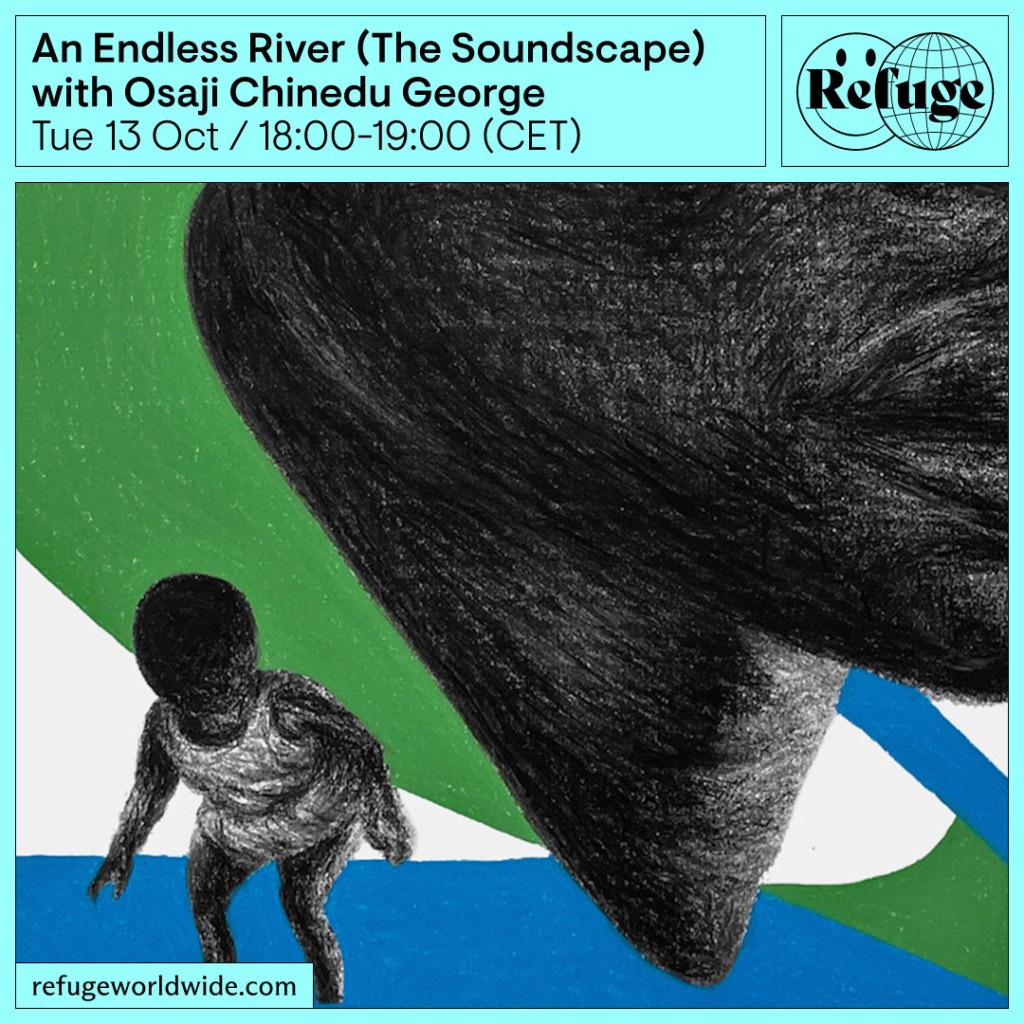
“An Endless River” on Refuge Worldwide, Berlin
An immersive surreal soundscape, containing indigenous spoken word and selected musical compositions reflecting on the themes of the exhibition. The soundscape explores inherited grief, ancestral memory, and dreams
In Conversation
Osaji Chinedu George & Asibi Danjuma in conversation. Taken from the exhibition publication
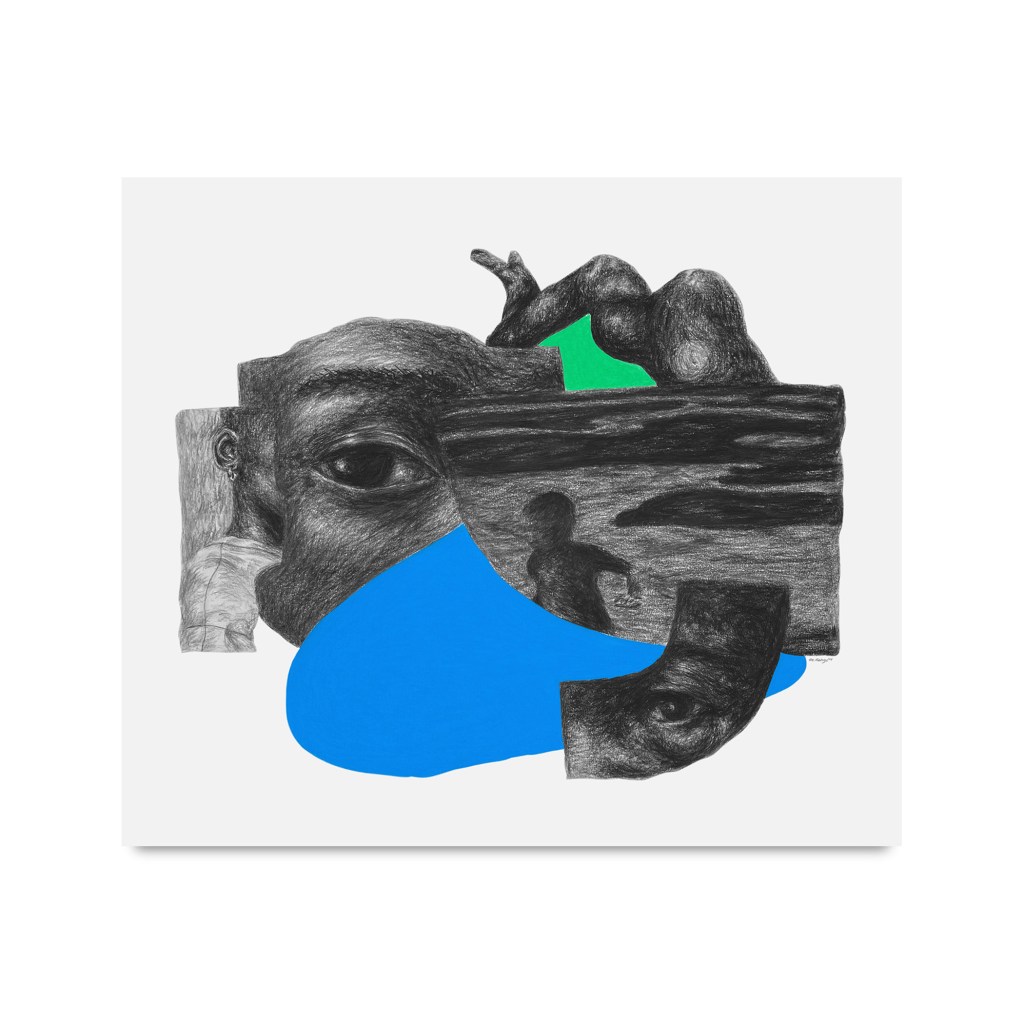
A stone in the middle of your throat (2024), Charcoal & Pastel on Paper, 102 x 86 cm (40 x 34 in)
Exhibition Publication
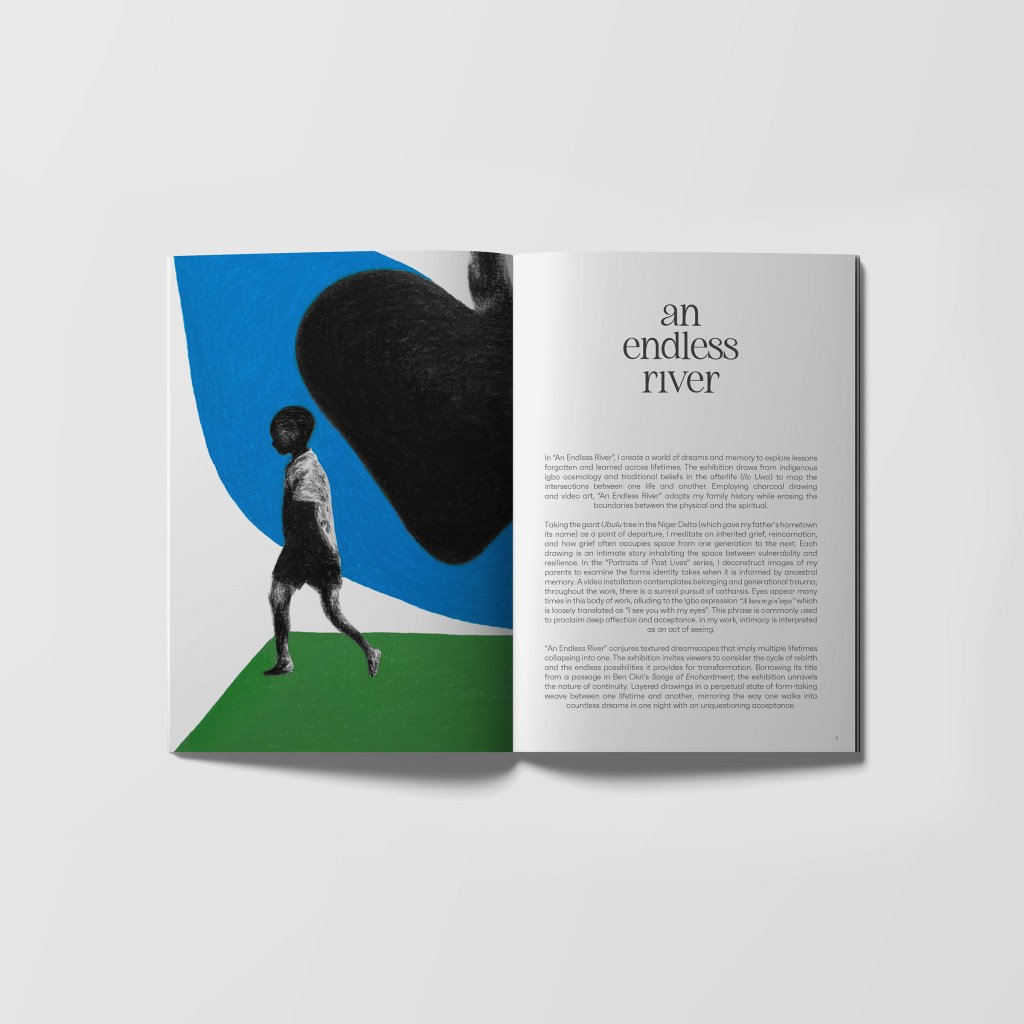
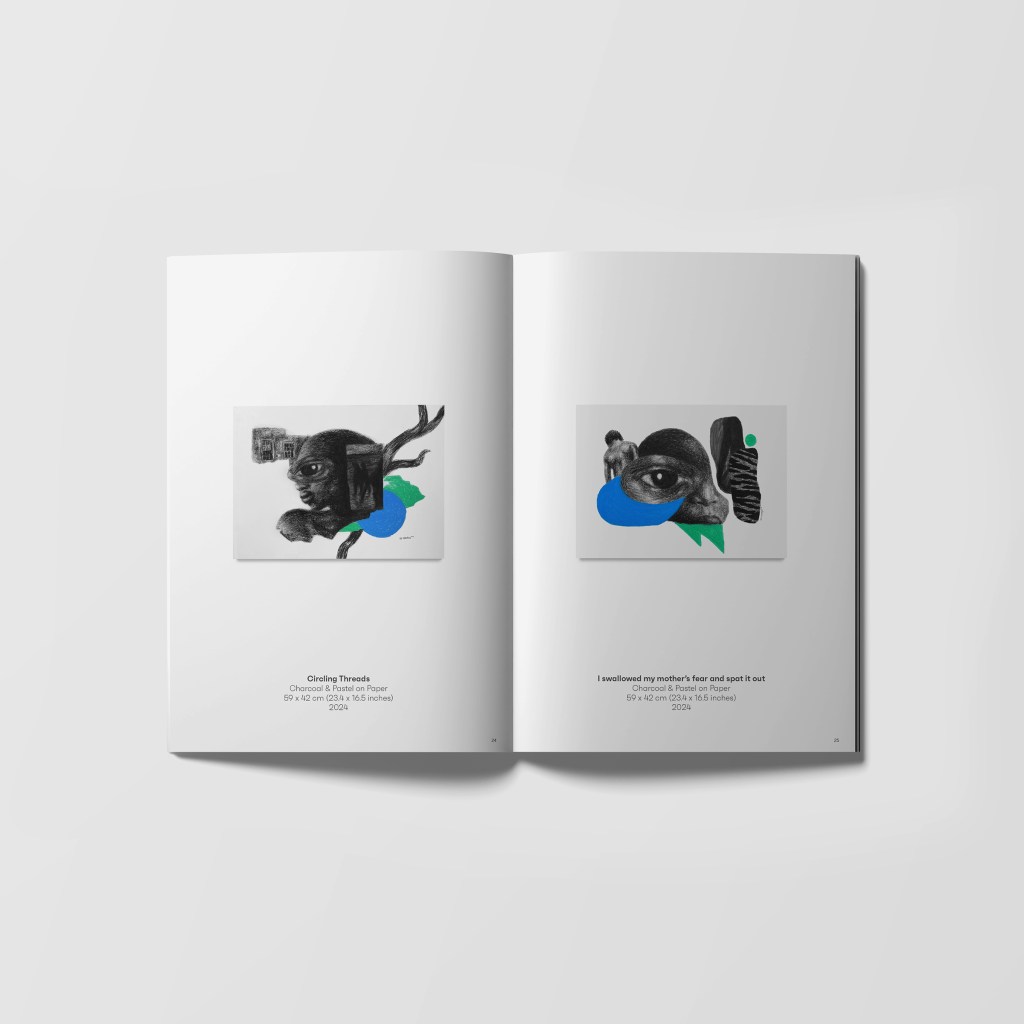
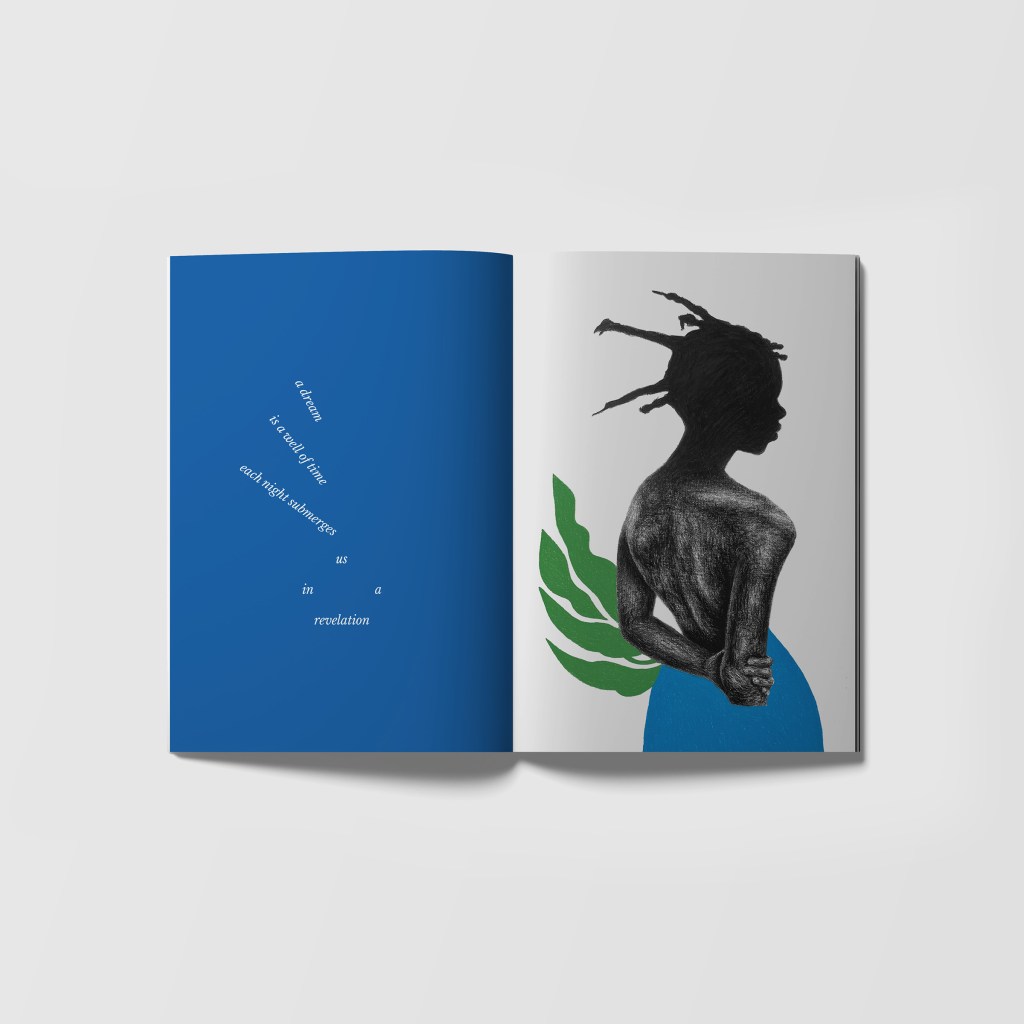
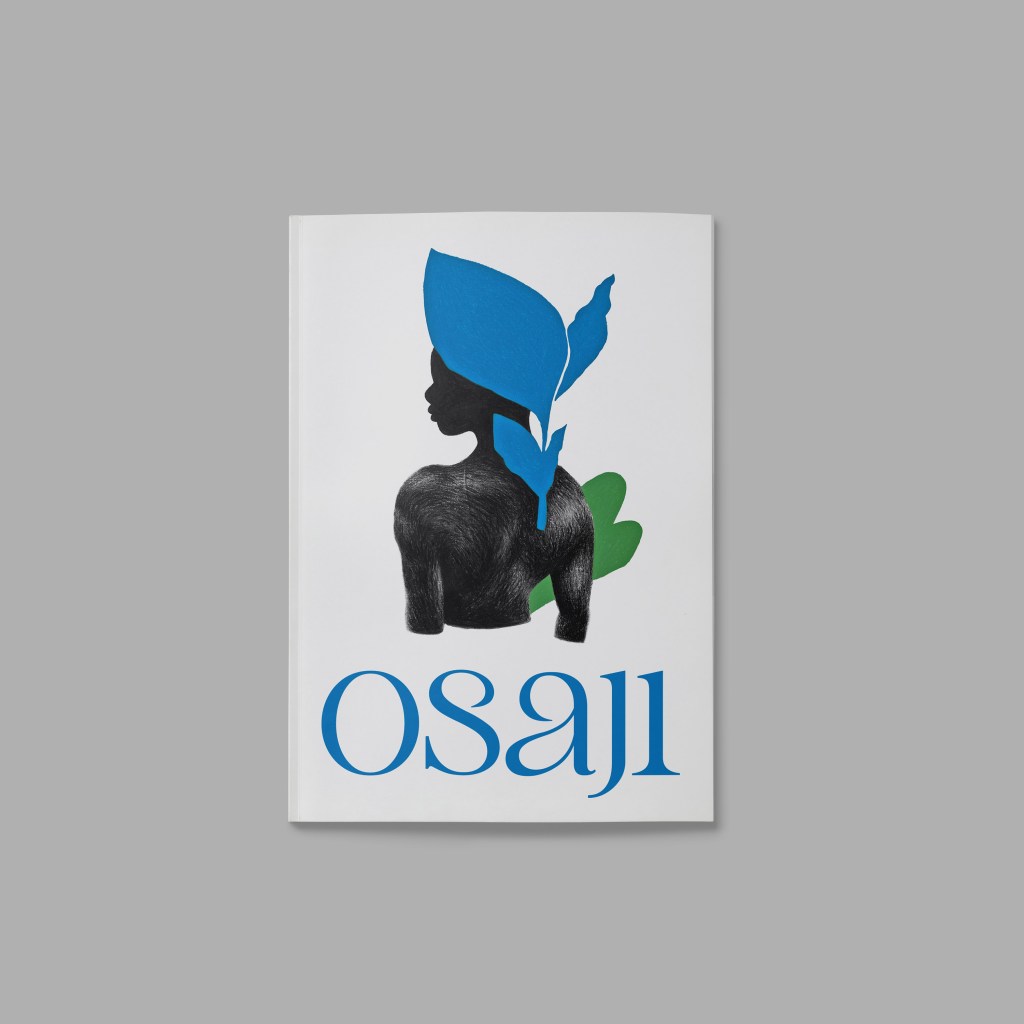
Selected work, writing, process, and more. Designed by OSAJI Studio
Artist Statement
In “An Endless River”, I create a world of dreams and memory to explore lessons forgotten and learned across lifetimes. The exhibition draws from indigenous Igbo cosmology and traditional beliefs in the afterlife (Ilo Uwa) to map the intersections between one life and another. Employing charcoal drawing and video art, “An Endless River” adapts my family history while erasing the boundaries between the physical and the spiritual.
Taking the giant Ubulu tree in the Niger Delta (which gave my father’s hometown its name) as a point of departure, I meditate on inherited grief, reincarnation, and how grief often occupies space from one generation to the next. Each drawing is an intimate story inhabiting the space between vulnerability and resilience. In the “Portraits of Past Lives” series, I deconstruct images of my parents to examine the forms identity takes when it is informed by ancestral memory. A video installation contemplates belonging and generational trauma; throughout the work, there is a surreal pursuit of catharsis.
Eyes appear many times in this body of work, alluding to the Igbo expression “A huru m gi n’anya” which is loosely translated as “I see you with my eyes”. This phrase is commonly used to proclaim deep affection and acceptance. In my work, intimacy is interpreted as an act of seeing.

