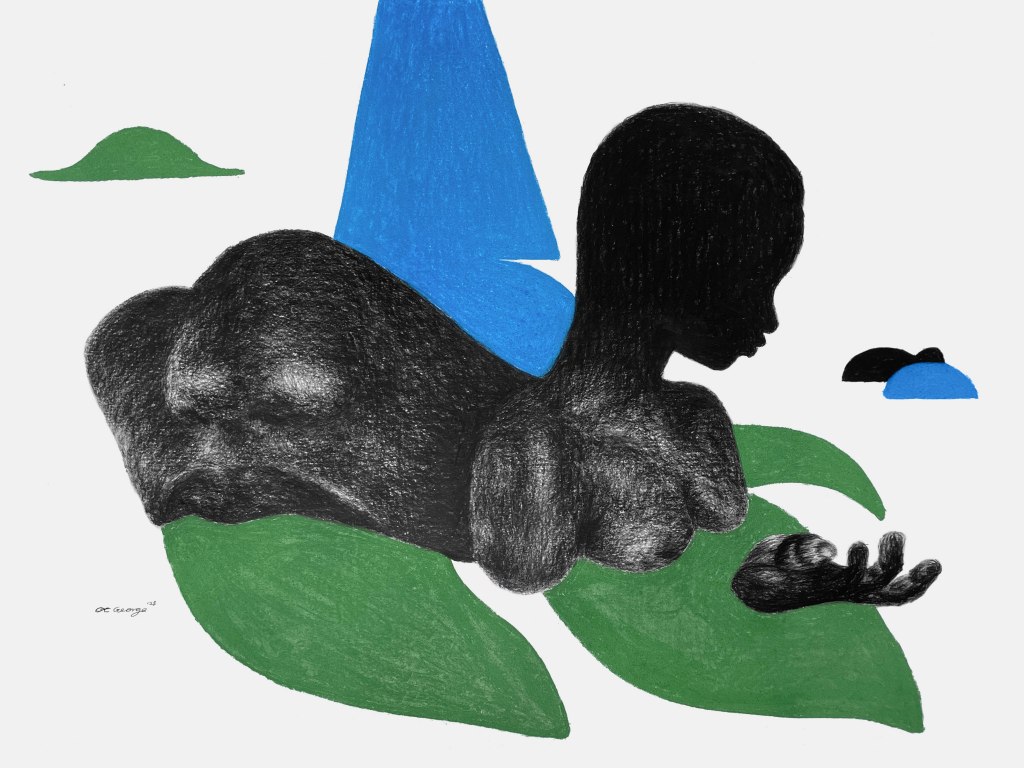
In my ancestral land (an Igbo community in the Niger Delta), certain rituals are passed down from one generation to the next, these rituals exist as mediums for articulating the history of the people and as tools for negotiating power with our neighbors. They are totems of a shared understanding of the physical and spiritual world.
From naming practices that invoke divine influence to ceremonial masks that are used to commune with and personify the spirits and ancestors of the people, many of these rituals of belonging have survived through time as invaluable customs and in some cases infallible myths.
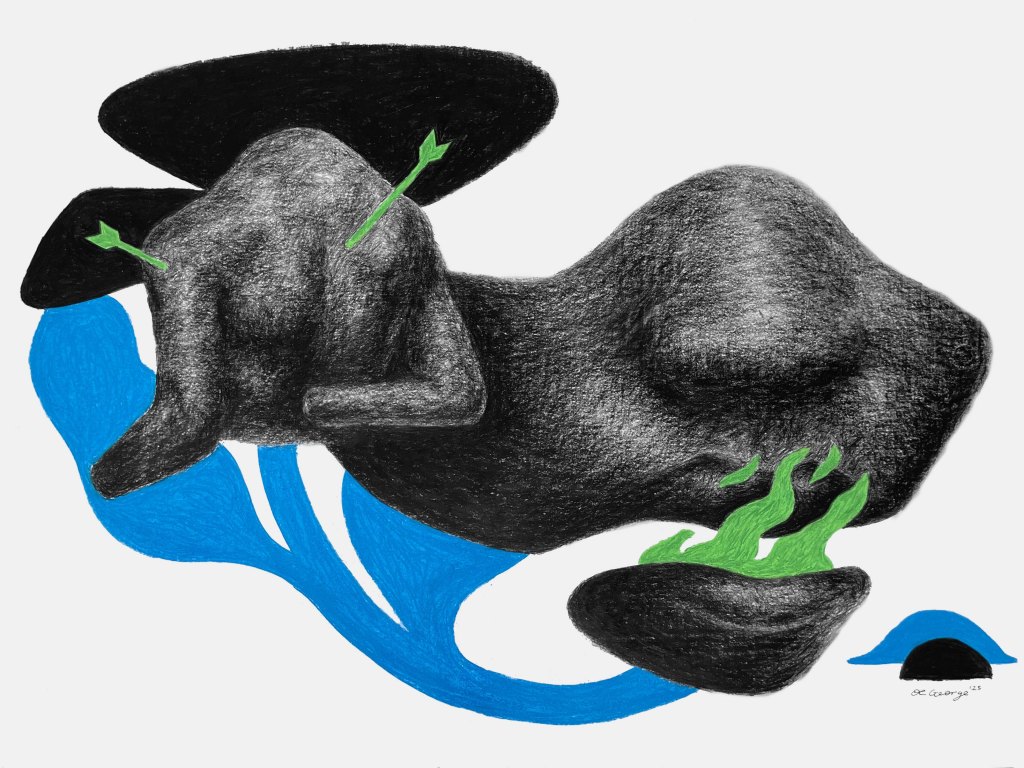
This holds true across indigenous cultures in Africa and the rest of the world. Mythology gives colour to our explanation of reality, it is also a vessel containing indispensable information about our identity, origin, and historical migration.
When Ezemu arrived at the bottom of the Ubulu tree that marked the bedrock of the Ubulu Communities (of the Western Igbos), traditional storytelling help us understand how much rested on his declaration of home. Over centuries of war and colonial resistance, the Ubulu people of Enuani spread from the Niger Delta, establishing communities across Southern Nigeria, however, by swimming through the currents of mythology, we are able to retrace the true origin of the people.
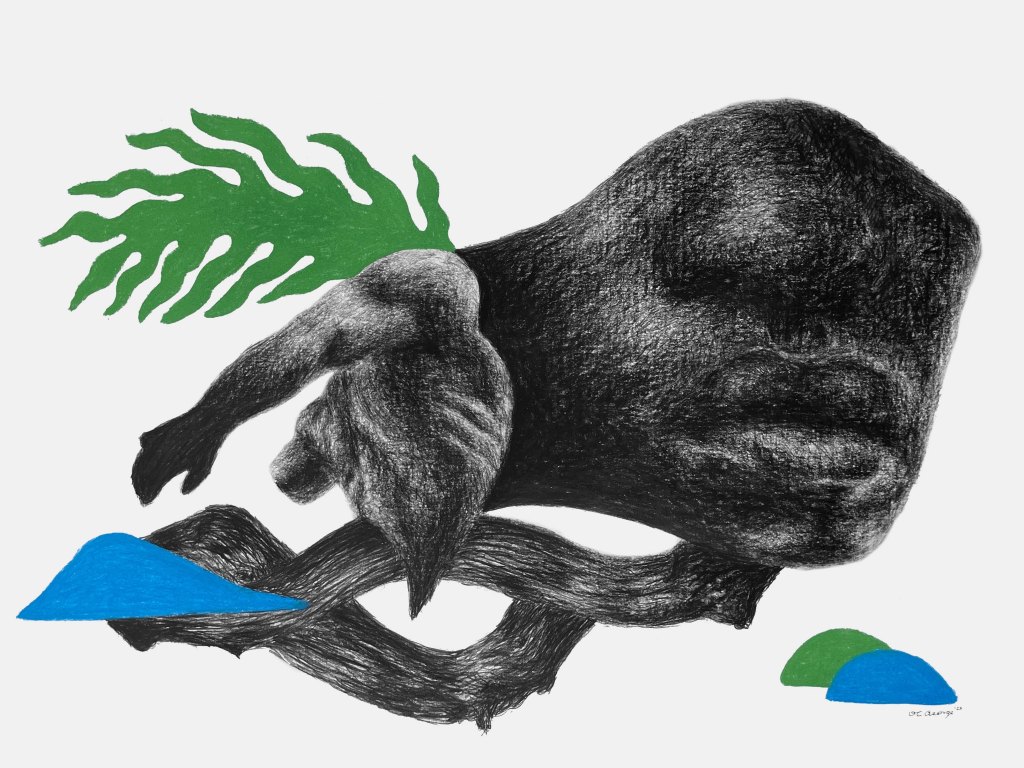
In my practice, I continuously explore these rituals of belonging, rituals which include spiritual practices like Mmanwu and storytelling through mythology. I am interested in the insights these rituals provide in responding to the questions of being and place. I am interested in the ways my work can serve as an alternative system of translating ancestral knowledge.

